Recent Fascia & Soffit Repair Projects in Jersey City
Real work, real roofs — a sample of completed jobs
Jersey City Roofers Pros handles fascia and soffit repair, the work that stops water from wicking behind the gutter line and rotting the eave. Salt-laden Hudson River air corrodes aluminum fascia and thins soffit panels faster here than inland, so we replace decayed wood, reset the drip edge, and reseal the joint before damage spreads inward. Call 2017789628 for a free estimate; we are licensed and insured.
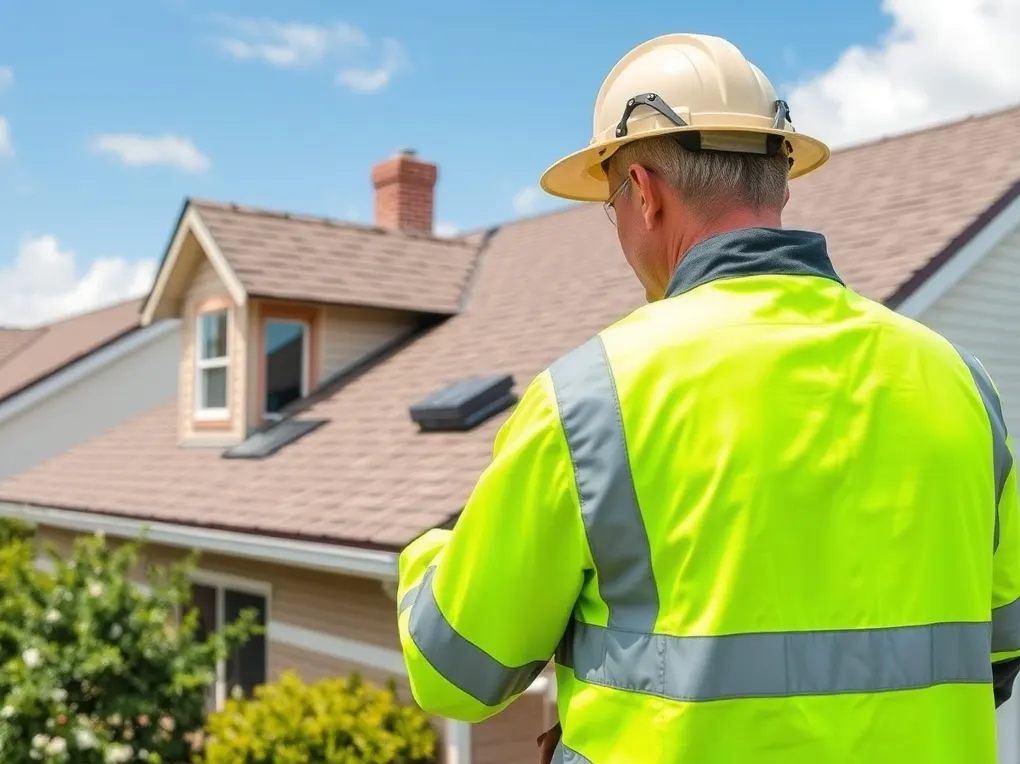
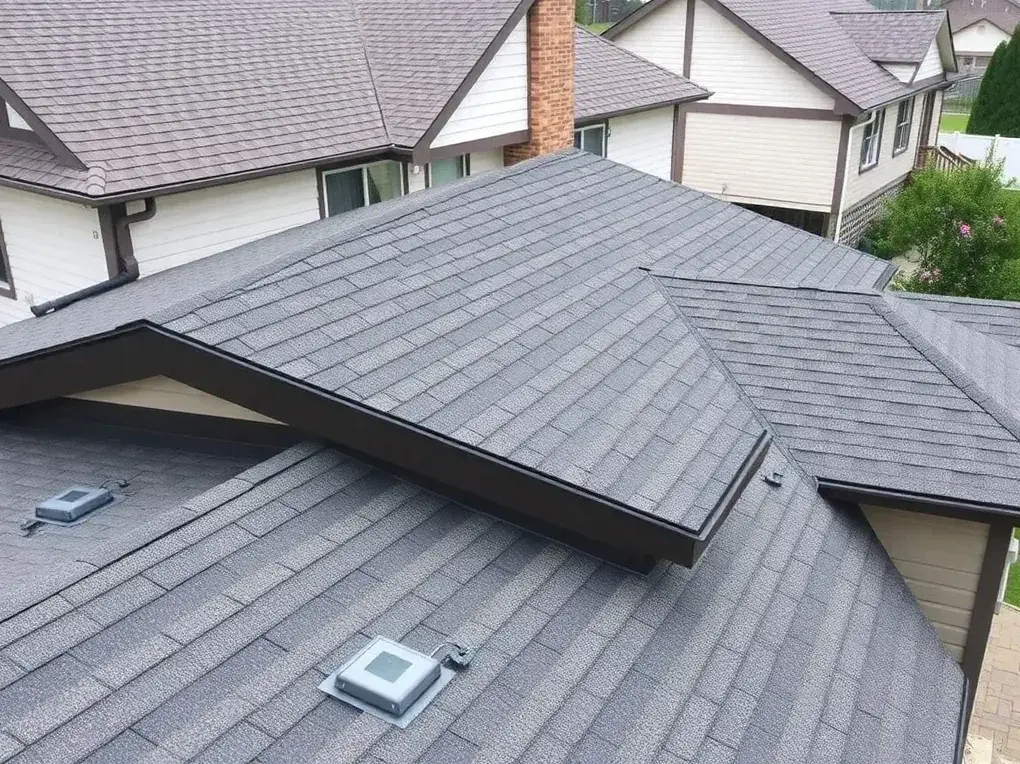
Fascia and soffit repair begins with a roof inspection along the eave, where the fascia board meets the gutter and the rake turns up the gable. We probe the wood, check the drip edge, and look for rot in the rafter tails behind it.
On brownstones and rowhouses with slate roofs, salt-laden Hudson River air corrodes the aluminum fascia and thins the soffit panels. Nor'easters drive rain sideways into that gap, so we cut out the soft wood and reset the line.
Mid-century brick apartment buildings and Art Deco structures usually need soffit vent work, and modern waterfront condominiums and residential towers lose fascia anchors to wind uplift first. We match the panel profile so the roofline stays straight.
What sits above the fascia matters too. We check the underlayment and ice-and-water shield at the eave, the valley, the ridge cap, and any algae-stained or blistered asphalt shingle courses while we are on the rooftop.
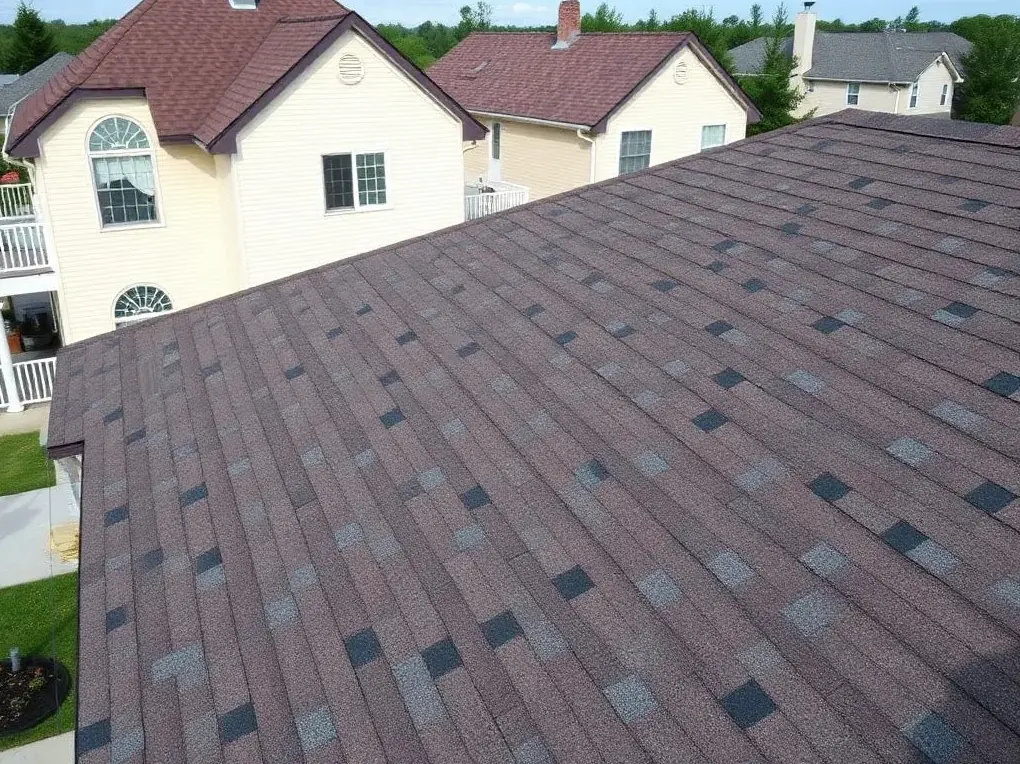
We see three-tab shingle, architectural shingle, and asphalt shingle roofs in every stage of wear. Curling or missing courses often trace back to a blocked ridge vent or a soffit vent buried under insulation.
Flat sections get different treatment. A built-up roof or modified bitumen surface near a parapet needs a working scupper and sound coping, and a TPO, EPDM, or PVC membrane needs its seams checked after a hard winter.
Torch-applied modified bitumen and cold adhesive both work at a parapet. We pick based on deck type, pitch, and the weather window.
Cedar shake and wood shake roofing sheds snow differently than clay tile, concrete tile, or slate. A metal panel, standing-seam panel, or corrugated panel needs its own fastener pattern to hold against wind.
Behind the fascia sit the rafter tails, purlins, battens, and counterbattens that carry the eave. On older buildings we still find bituminous tar and roofing felt under the top layer, plus plywood or OSB sheathing gone soft.
A soft joist, truss, or ridge beam turns a small repair into structural work, and we say so before we start. Tar paper and synthetic underlayment both have to come out with rotted sheathing.
When the wood is sound and only the paint has flaked or spalled, a recoat with an elastomeric coating can add years. When the fascia has gone soft to the touch, replacement is the honest call.
We are a licensed and insured Jersey City roofer crew, and fascia and soffit repair is routine work for us on rowhouses and towers alike.
Certified installers and a meticulous process from inspection to cleanup.
Top-tier products backed by manufacturer and workmanship warranties.
Built to withstand Jersey City's climate for decades of protection.
We handle fascia soffit repair around Jersey City, covering Jersey City Heights, Journal Square, Downtown Jersey City, Greenville, and the Waterfront District.
Real work, real roofs — a sample of completed jobs